What You Should Know When Visiting National and Nature Parks

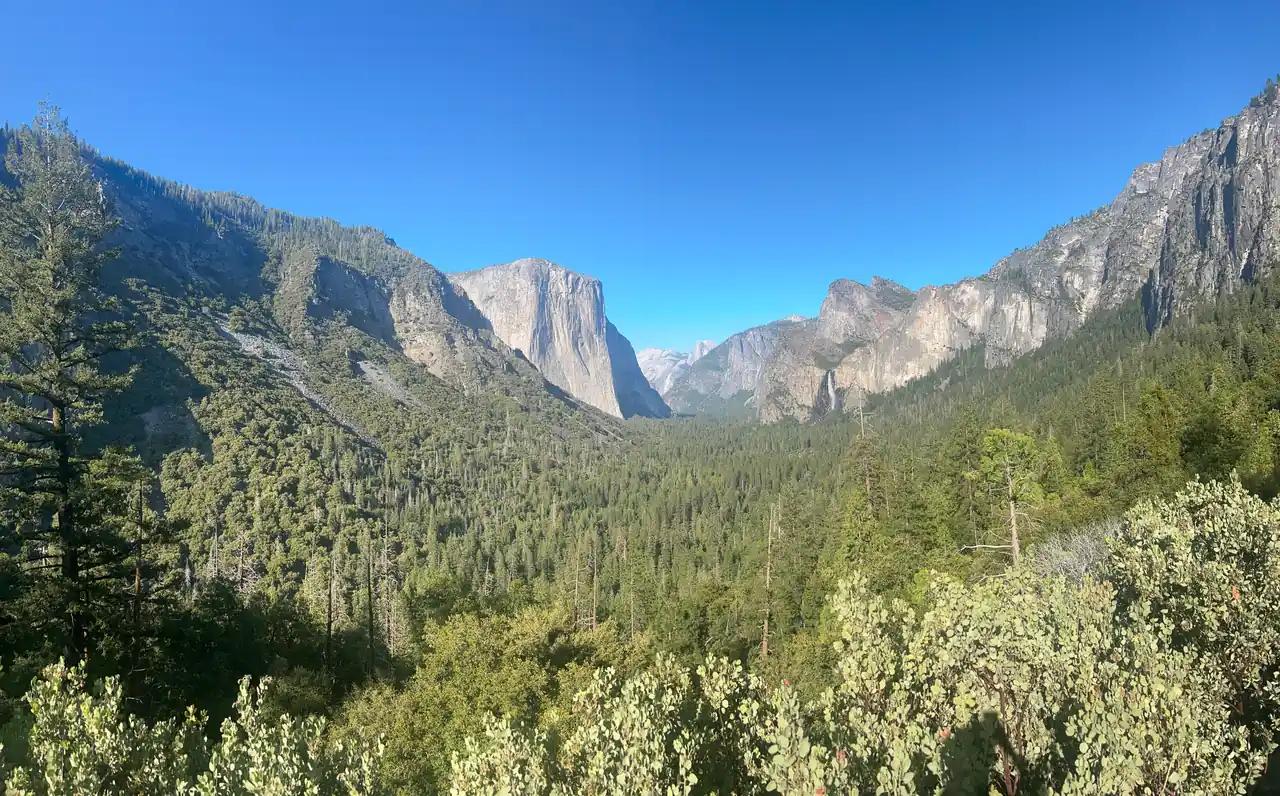
National parks and nature parks reveal some of the most protected and breathtaking corners of nature. The time you spend in them both refreshes your spirit and lets you get up close with unique ecosystems. Yet these areas are also fragile and call for a responsible visiting mindset. Below we have gathered what you should know to make a national park visit both enjoyable and respectful of nature.
The Difference Between a National Park and a Nature Park
Although the two terms are often used interchangeably, there are fundamental differences. National parks are large, holistically protected areas of high scientific, natural and cultural value. Nature parks, on the other hand, are regions set aside mainly for scenic integrity, recreation and spending time in nature, offering visitors relatively more flexible opportunities. Protection is the priority in both; the difference lies in the degree of protection scope and intended use.
Official Entry Rules
Most of these areas are managed by the relevant public institutions. Some areas charge an official entry fee per person, while others are free. Because entry conditions can vary from region to region, it is important to learn the current rules of your destination in advance.
- Some protected areas may require prior registration or a permit for entry; obtain these permits from the relevant institution.
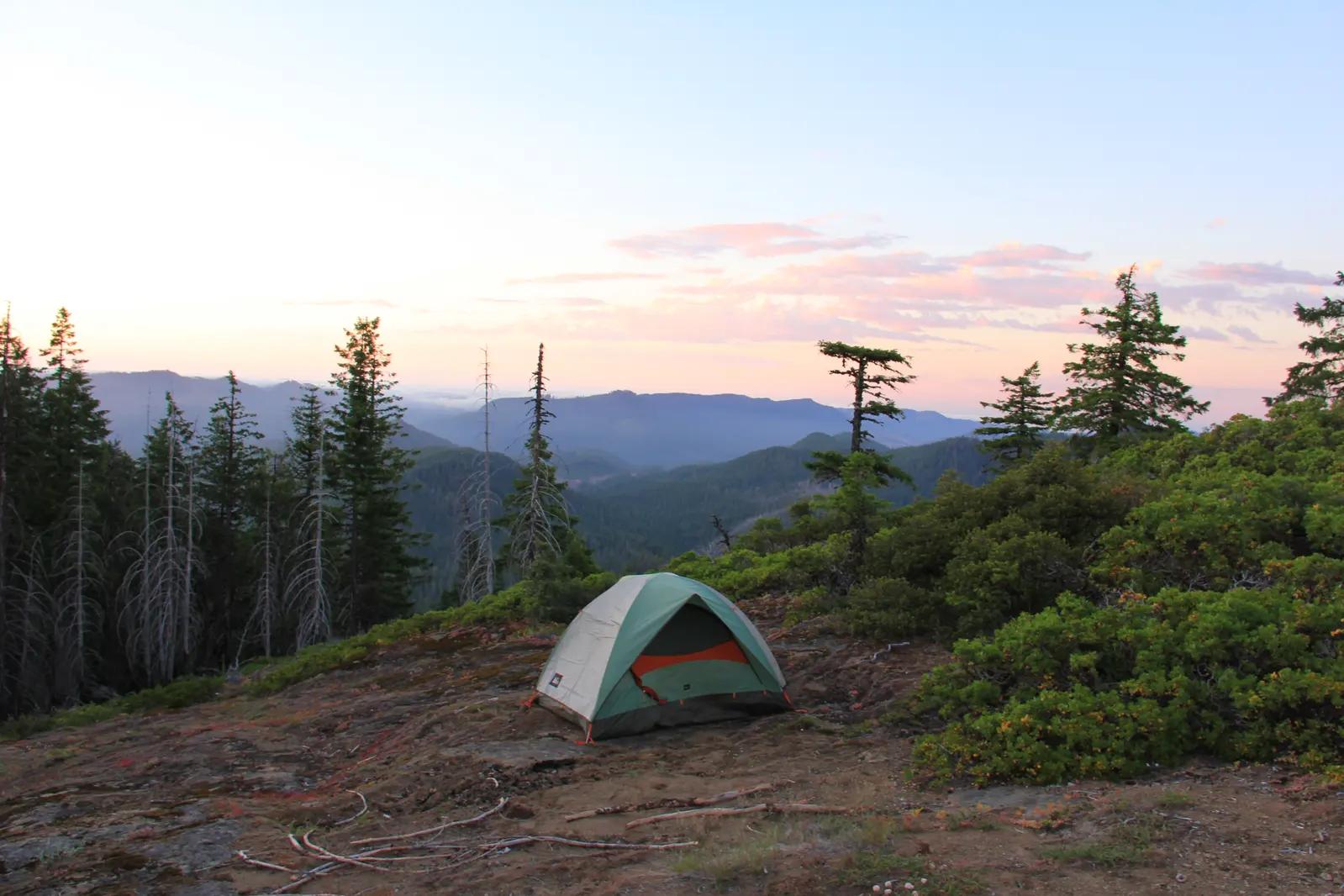
- There may be additional conditions for camping, overnight stays or group visits.
- Vehicle access, parking and transport options can differ from area to area.
Staying on Marked Trails
Marked trails are designed both for your safety and for the protection of nature. Straying off the designated routes can damage sensitive vegetation, accelerate soil erosion and leave you exposed to disorientation or accidents. Follow the markers while hiking, avoid creating shortcuts and, if possible, keep a map of the area with you.
Respect for Wildlife
These areas are home to many living creatures. Feeding animals disrupts their natural feeding habits and creates risks for both animals and visitors. Observe wildlife from a distance and quietly; do not touch nests, eggs or young. Avoiding loud music and noise is a sign of respect for both other visitors and wildlife.
Waste and Fire Rules
Leaving nature as you found it, or even cleaner, is the most basic principle. Carry out all the waste you produce and recycle where possible.
- Never leave your rubbish in nature; if there is no bin, carry it with you.
- Lighting fires is restricted or forbidden in most protected areas; only do so where permitted and in line with the rules.
- Cigarette butts are a major cause of forest fires; be extremely careful in this regard.
- Take care not to leave glass, plastic and other slow-degrading materials in nature.
The Best Season to Visit
The ideal time to visit varies according to the area's geography and the activity you want to do. Spring and autumn are generally favourable for hiking thanks to mild weather and nature that is either reviving or turning colourful. Summer offers coolness in high-altitude areas, while in winter some routes may close due to snow and ice. Checking weather conditions and seasonal restrictions before your visit helps you build your plan on solid ground.
A responsible visit is the finest way to carry nature's beauty to future generations. If you prepare in advance, respect the rules and behave with care for your surroundings, your experience in national and nature parks will be far more meaningful. By exploring national park and nature park listings on Obania, you can filter the features of these areas and discover the place that best suits your plan.
Picks for Nature Lovers
Sponsored LinksObania may earn a commission from purchases made through these links; the price you pay stays the same.