Turkey Beach Guide: Beach Types and Choosing the Right Beach

With a coastline stretching thousands of kilometres, Turkey brings together a remarkable variety of beaches. From the clear coves of the Aegean to the long sandy shores of the Mediterranean, from the cool, wavy coasts of the Black Sea to calm lagoons, the choices are wide. Among so many options, choosing the right beach is often what separates a wonderful day from an ordinary one. In this beach guide, we have gathered the key topics to help you find the beach that best suits your needs.
Beach Types
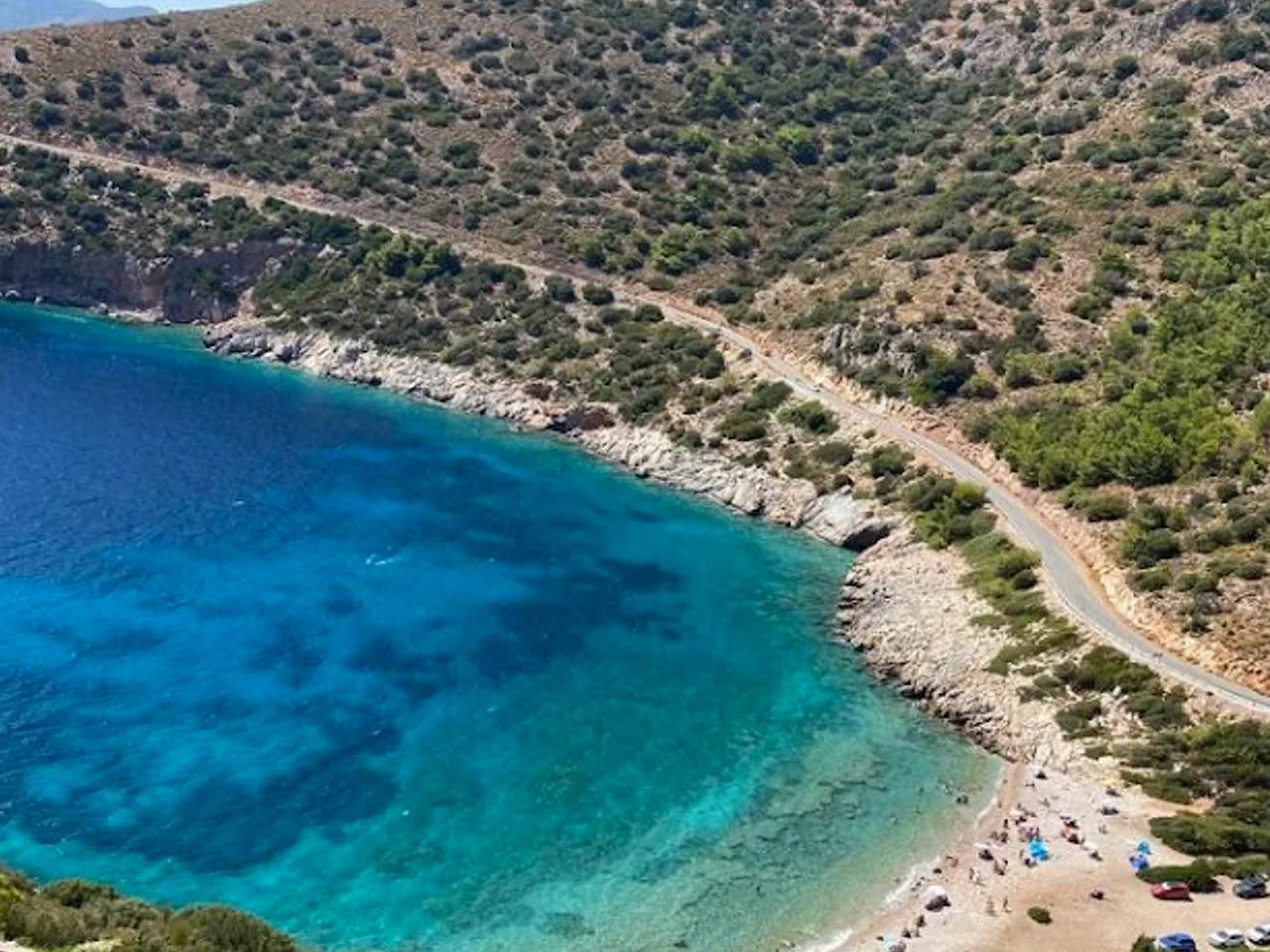
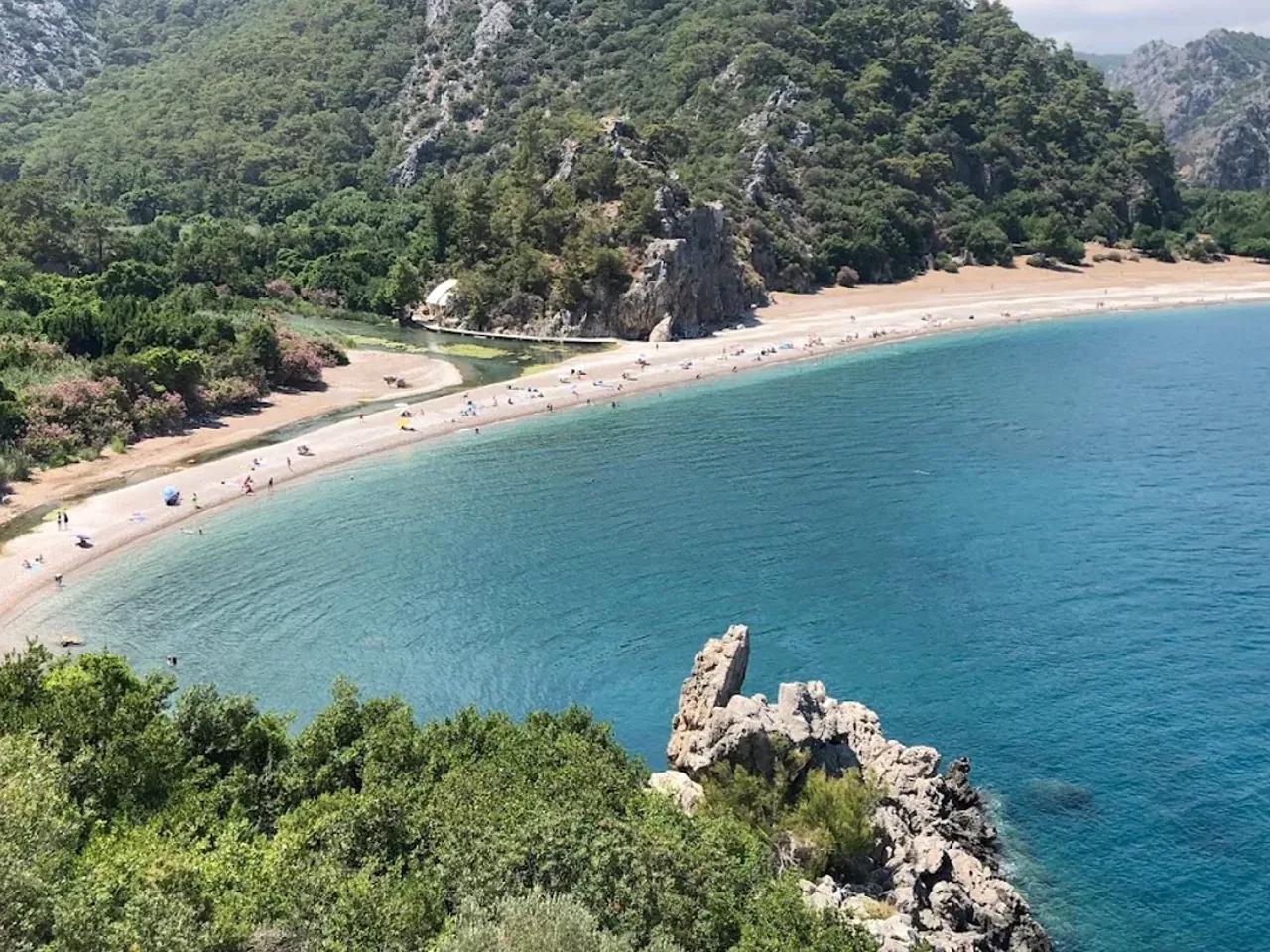
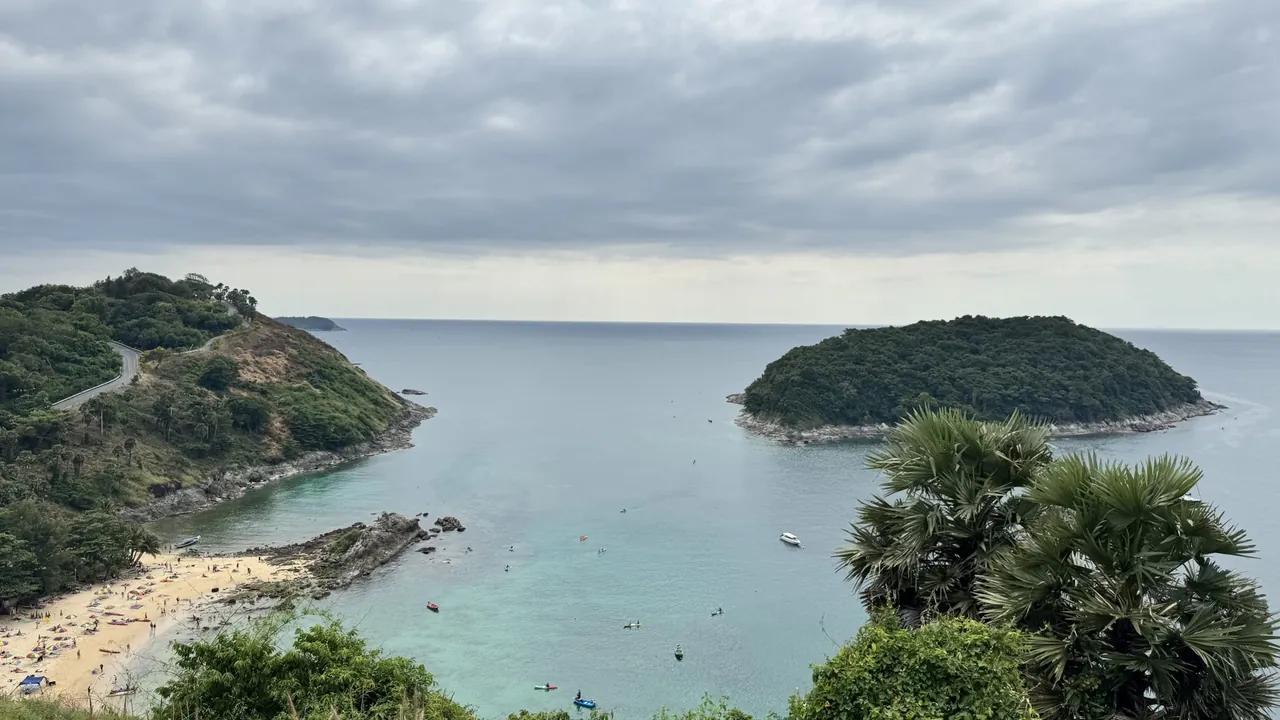
Not every beach offers the same experience. Sand beaches, with their soft ground and easy entry, are the first choice for many and are comfortable for families with children. Pebble and stony beaches usually have clearer water, though water shoes make things easier. Coves and small bays offer sheltered, calm waters and are ideal for those who want to escape the crowds. Lagoons, shallow, warm and still, are perfect for relaxing. We touch only briefly here on free public beaches and blue-flag beaches; for the details of these concepts, take a look at our separate guide.
Location and Access
When planning a beach, consider the road conditions, parking options and the walking distance from the car to the shore. Some coves are reached only by narrow roads or a short walk, which keeps the beach quieter but can make access harder. Beaches reachable by public transport are practical for those without a car.
Water and Ground
How the water deepens is an important detail in choosing a beach. Shallow shores that deepen gradually are safer, especially for children and non-swimmers. Beaches that drop off quickly or have waves and currents appeal to experienced swimmers. Knowing in advance whether the ground is sand, pebble or rock also helps you decide what to bring.
Amenities
If you plan to stay all day, the amenities at the beach directly affect your comfort. Showers and toilets, shaded areas or sunbeds, whether a lifeguard is present, and whether food and drink are available nearby are all points worth checking when planning.
Season and Crowds
Popular beaches get busy in summer, especially around midday. Going early in the morning means a calmer setting and easier parking. The start and end of the season, late spring and early autumn, are ideal for those wishing to avoid crowds; the sea is still warm and the beaches more spacious.
Family and Safety
For families with children, choosing beaches with shallow shores, shaded areas and, where possible, lifeguard supervision improves safety. It is important to watch out for current flags, keep children in sight at all times and heed local warnings before going in. Sun protection should not be overlooked either; a hat, sunglasses and high-factor sunscreen serve you well throughout the day.
Respect for Nature
Protecting the beauty of beaches is a shared responsibility. Take back everything you bring, dispose of your waste in the right places and, where possible, leave without a trace. Take care not to harm marine life or coastal vegetation. Not disturbing the creatures you find on the sand is a simple but effective way to protect the natural balance.
What to Pack in Your Beach Bag
A basic preparation is enough for a good beach day. Plenty of water, sunscreen, a hat and sunglasses, a towel, water shoes, a change of clothes, a small first-aid kit and some snacks will cover most situations. A mat for pebble beaches and a portable sunshade for the harsher hours of the day add to your comfort.
The right beach depends on your expectations and your group's needs. Once you decide whether you are looking for a quiet cove, a shallow shore suited to children or a sandy beach with plenty of amenities, the choice becomes much easier. On Obania, you can explore beaches by filtering them according to their amenities and features, finding the place that suits you best and planning your day with peace of mind.
Picks for Nature Lovers
Sponsored LinksObania may earn a commission from purchases made through these links; the price you pay stays the same.