Highland Camping Guide: What You Should Know for a Plateau Getaway

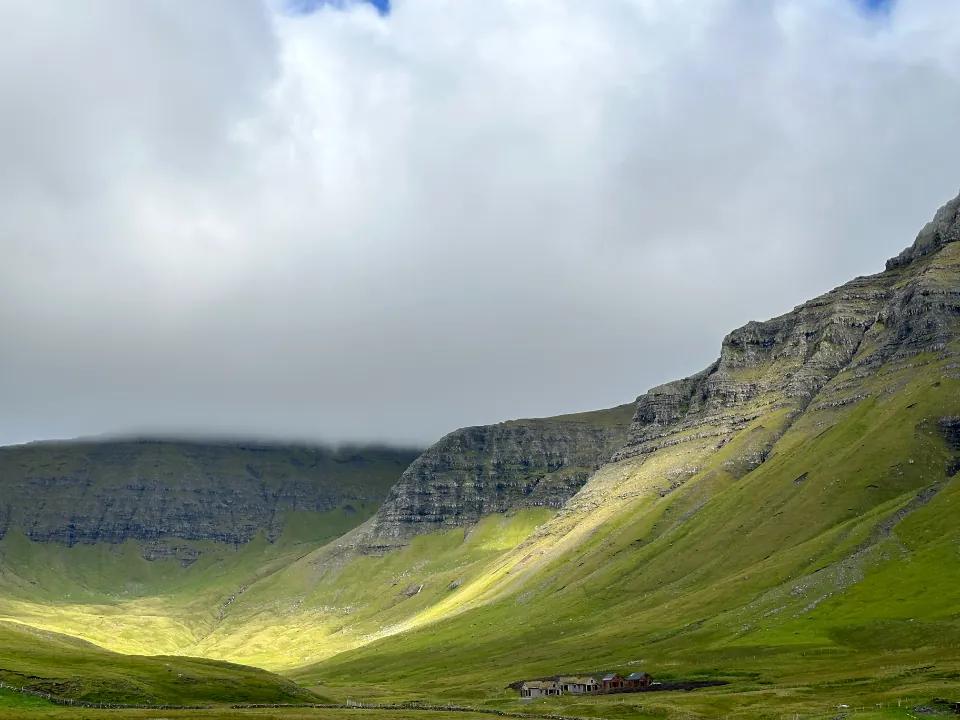
A highland, or plateau, is a wide stretch of grassland and meadow high up in the mountains, known for its cool summers. For anyone wanting to escape the heat of the cities, highland camping offers a unique experience: clean air, mist that drifts down like a curtain in the mornings, green plateaus stretching as far as the eye can see, and a living local culture. For those seeking a simple, calm holiday close to nature, the highlands have become an increasingly popular destination in recent years.
In this guide we have gathered the essentials you should know before setting off for a highland camp, step by step, from preparation to safety.
The best season
The ideal time for the highlands is the summer months. In this season the meadows turn green, the roads become more passable, and the days are mild. However, high altitude has a character of its own: even in midsummer the nights can be far colder than expected. Mist can settle suddenly, the weather can change within a few hours, and brief, sudden showers may occur. That is why, even in summer, you must be prepared for cold and wet conditions.
Preparing for altitude and cold
The golden rule of dressing in the highlands is layering. A base layer that wicks away sweat, a warm middle layer such as wool or fleece, and a waterproof outer layer that blocks wind and water are ideal. Do not forget to bring a season-appropriate, genuinely warm sleeping bag; a summer bag may fall short on a highland night. Add small but life-saving items such as a raincoat, a beanie, gloves and spare socks to your list.
Access and road conditions
The highlands are usually reached by mountain roads. Some of these roads may be unpaved, narrow or steep, and can become muddy and difficult in rain. Before setting off, make sure your vehicle is suited to these conditions and always check the weather forecast in advance. Since mist and rain can severely reduce visibility, it is safer to travel during daylight hours where possible.
Water and supplies
Many highlands have natural spring water, but it is still wise to carry spare water with you. Be cautious about supplies as well: shops and markets in the highlands are often limited or non-existent. Plan and pack enough food, snacks and basic necessities in advance, according to the number of days you will stay.
Phone signal and safety
In high and remote areas the phone signal may be weak or absent. For that reason, tell someone you trust your route plan and expected return time before you leave. Keep a charged power bank, a basic first-aid kit and a headlamp for lighting with you. Preparing to find your way without relying on the internet is an important part of staying safe in the highlands.
Wildlife and respect for local culture
The highlands are home not only to campers but also to local people who make their living from livestock. Be respectful of meadows, herds and shepherds; keep away from fields, barns and private areas. A kind and respectful relationship with the local community both enriches your experience and helps this culture endure.
Leaving no trace
There should be no trace left behind from the time you spend in the highlands. Following the Leave No Trace principle, collect all your waste and take it with you. Be extremely careful about lighting fires; the risk of fire is high on plateaus where dry grass is plentiful, so follow local rules and avoid fire altogether if necessary. Do not pollute the water, do not harm the vegetation, and move with a quietness that does not disturb the natural sounds.
A highland holiday in nature, with the right preparation, turns into an experience that is both safe and unforgettable. For anyone seeking coolness, mist and peace, the highlands offer nature in its simplest and most striking form.
On Obania you can filter highlands to discover the place that suits you best, review options in different regions and easily make your own highland camping plan.
Picks for Nature Lovers
Sponsored LinksObania may earn a commission from purchases made through these links; the price you pay stays the same.